
Expanding access to clean energy and strengthening climate resilience in Malawi and Zambia
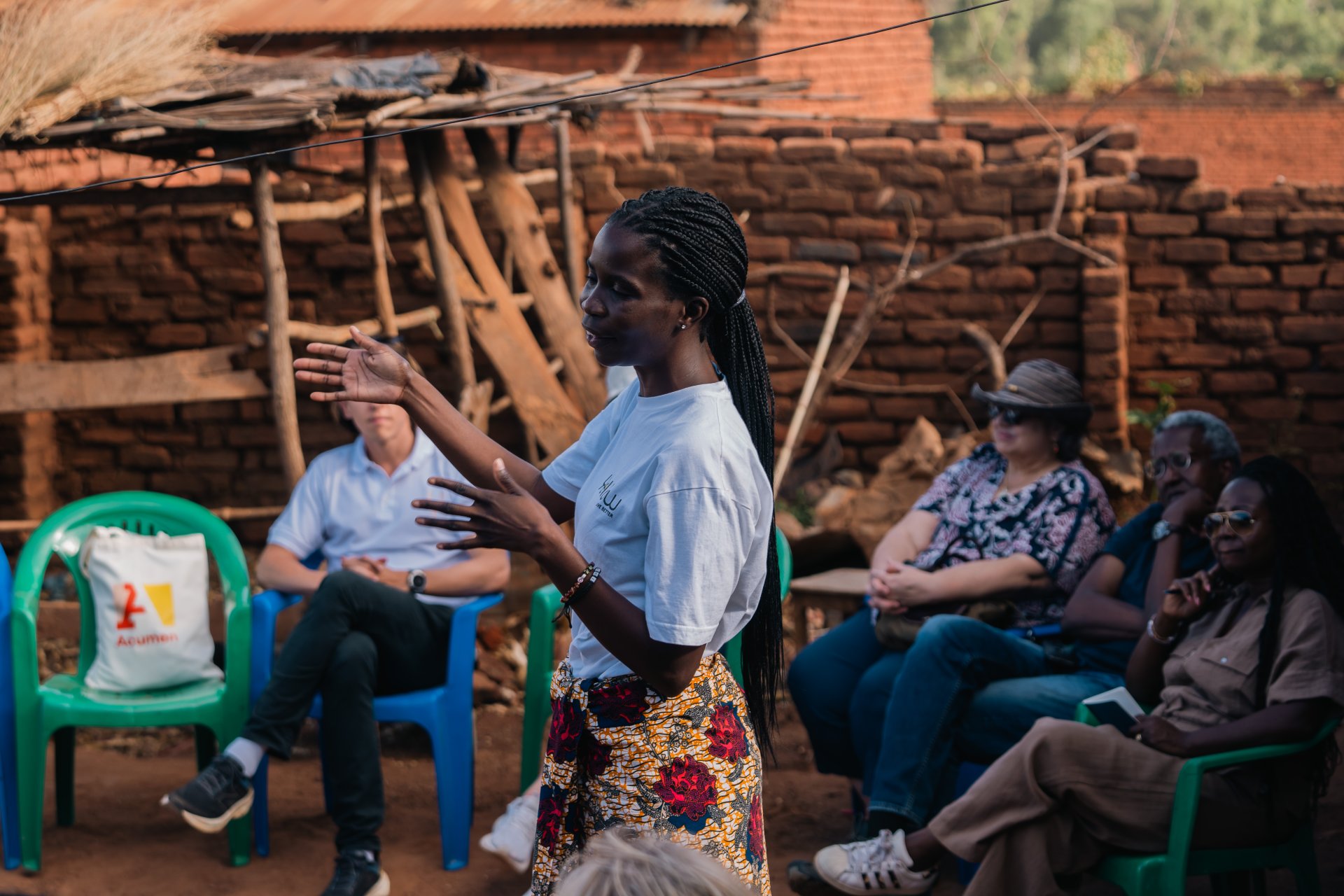 During a visit to Malawi and Zambia, NDF met with partners, businesses, and institutions to see firsthand how climate investments are making a difference. Photo: Acumen
From off-grid solar to weather services, NDF's partnerships are helping build a more resilient future in Malawi and Zambia.
Malawi and Zambia are among the countries most vulnerable to climate change. Increasingly frequent droughts, unpredictable rainfall patterns, and extreme weather events affect livelihoods, food security, and economic stability. Yet, across both countries, businesses and institutions are demonstrating that well-targeted investments in sustainable and inclusive climate solutions can strengthen resilience, improve livelihoods, and create new opportunities for growth. At the same time, limited access to reliable energy hinders development and economic opportunities, particularly in rural areas. In Malawi, only around 26% of the population has access to electricity, highlighting the urgent need to expand energy access alongside climate resilience efforts. This reality is shared in Zambia, where over 50% of the population is underserved or lives beyond the grid, especially in rural areas.
To better understand the challenges and opportunities on the ground, our Managing Director Satu Santala visited Malawi and Zambia to meet with partners, companies and institutions working to strengthen climate resilience and sustainable development. The visit was inspiring, showing how communities, businesses and institutions innovate as they adapt to increasingly challenging climate conditions.
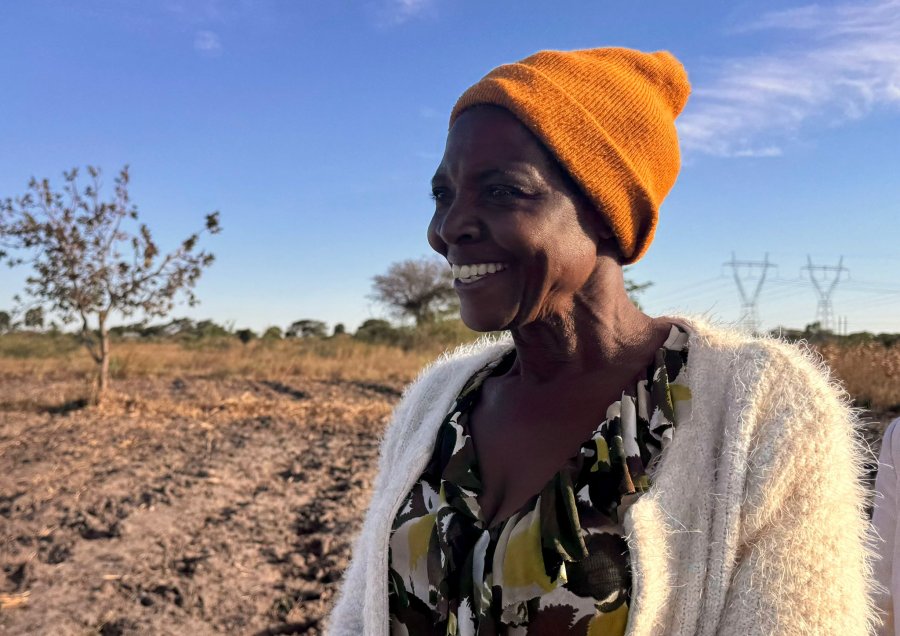
Ms Grace Tembo invested in a solar-powered irrigation pump, enabling her to grow maize, beans, sugar cane, tomatoes, lemon trees, and sweet potato leaves. In just two years, she has nearly tripled her income through increased production and better harvests. Photo: NDF/Satu Santala
Off-grid solar energy is transforming lives
Access to reliable and affordable energy remains a key challenge in many parts of Sub-Saharan Africa. Off-grid solar solutions help bridge this gap, bringing electricity to households that are not connected to national grids. The visit highlighted that this sector creates development impact, including sustainable jobs and livelihoods, and business opportunities.
In Zambia, a farmer couple using a solar irrigation pump diversified their production to include maize, beans, sugar cane, tomatoes, lemon trees, and sweet potato leaves, nearly tripling their income in just two years. The increased earnings enabled Ms Grace Tembo and her husband Mr Sakala to invest steadily in their family’s future—first purchasing a motorbike to improve mobility, then opening a kiosk to generate additional income, and most recently buying a television for World Cup screenings that provide an additional source of income. In Malawi, a small business owner called Memory Mike, was able to extend her shop’s opening hours with solar lighting. She also highlighted the safety benefits of replacing kerosene lamps, particularly with young children at home. Looking ahead, she hopes to build rental houses equipped with solar power in her village.
During the meetings on the ground, companies supported through NDF-financed initiatives described how tailored and flexible financing can help them navigate challenging markets. For example, through the Acumen-led Hardest-to-Reach Initiative (H2R), NDF supports companies and partners working to deliver off-grid solar energy solutions in Sub-Saharan Africa’s least electrified regions. By removing barriers and bearing the financial risks, H2R helps to extend the benefits of clean energy to underserved populations and creates opportunities for sustainable market development.
The value of H2R support was described by Rune Gunnar Dige, CEO of RDG Africa. Rune, an entrepreneur of Danish origin, leads a company that designs, manufactures and distributes off-grid solar solutions in Zambia and the Democratic Republic of Congo. According to Rune, the combination of patient financing and highly relevant technical support has made a significant difference, enhancing the company’s ability to serve a growing number of customers while responding to their evolving needs in a sustainable manner.
Companies also highlighted the value of the support from EEP Africa, whose early-stage financing helped build stronger foundations for growth. One example of this impact is Green Impact Technologies (GIT) in Malawi. The company had initially received support of EUR 200,000 from EEP Africa to pilot biogas distribution and subsequently technical assistance to revise their business strategy. Since then, GIT has grown significantly despite operating in a challenging environment: The company has expanded from three employees and three sales agents in 2018 to around 30 employees and 205 sales agents today, while also expanding its operations into Zambia.
“EEP Africa has been very valuable to our company, enabling growth while strengthening trust and improving our risk rating. The support has also helped us evolve our business model and facilitated operations in Zambia,” says GIT’s CEO Admore Chiumia.
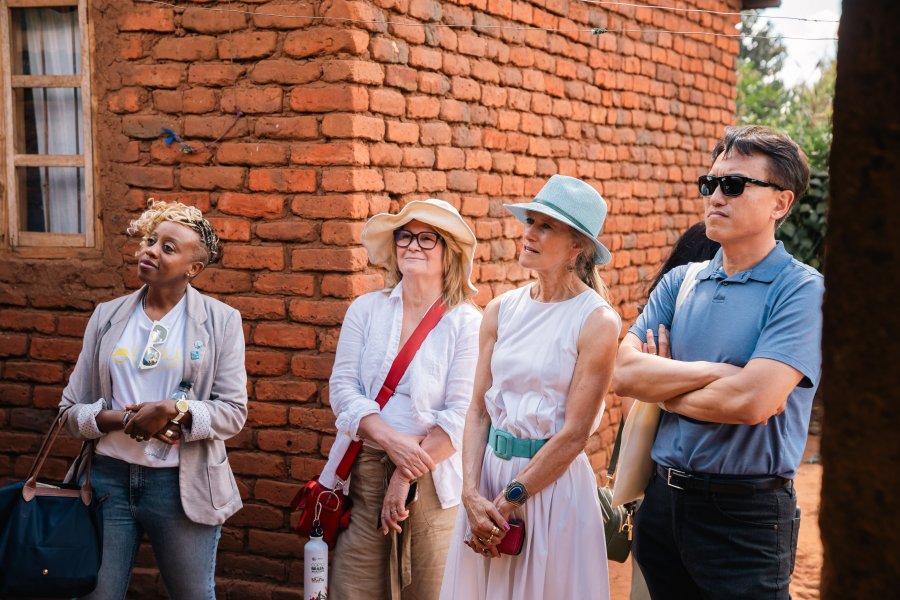
Maya Stewart, Satu Santala, Jacqueline Novogratz and Woochong Um visiting projects in Malawi. Photo: Acumen
Women-led solutions for clean energy and digital services
Another example of this catalytic support is Yellow, a company that has received financing through both EEP Africa and Acumen’s H2R. Yellow’s innovative business model enables households to purchase solar home systems and smartphones through flexible payment plans, making essential services more affordable and accessible. The company has now reached more than 800,000 families across seven African countries, helping to improve access to electricity, connectivity and economic opportunities.
Beyond expanding access to essential services, Yellow places a strong emphasis on gender inclusion and women’s economic empowerment. Through its network of more than 1,500 agents, the company creates economic opportunities while increasing access to clean energy and digital technologies to the communities it serves.
“Gender is a major challenge in our sector. Through EEP Africa, we were able to support women in rural Malawi by improving their access to digital tools, providing a selected group with smartphones. Today, at least 40% of those women are still working with us as agents,” says Maya Stewart, co-founder of Yellow.
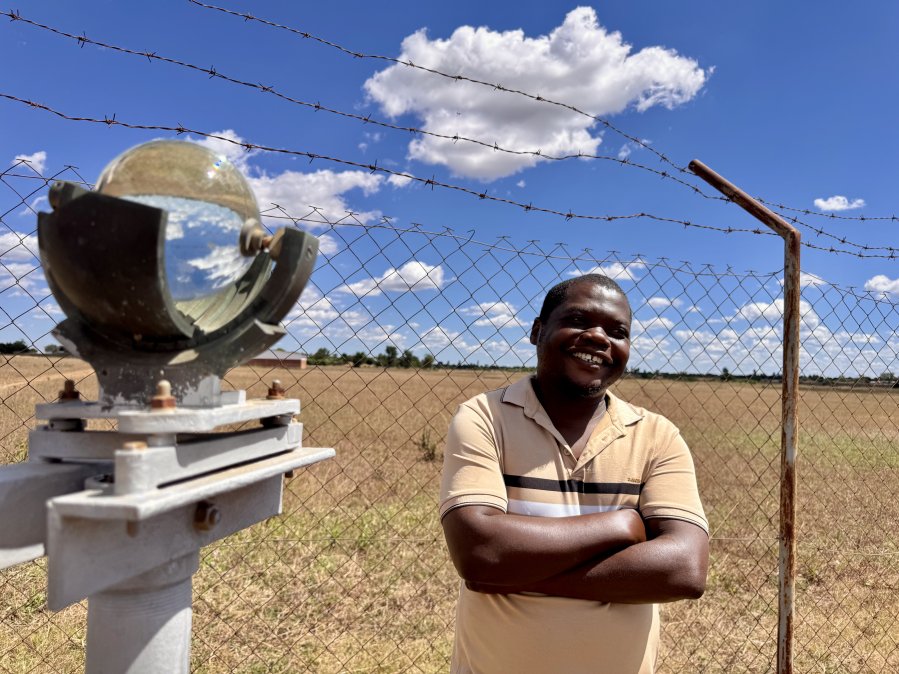
A Campbell–Stokes sunshine recorder, used to measure sunshine duration. Photo: NDF/Satu Santala
Weather data for climate resilience
Reliable weather and climate data remain limited in many African countries. In Malawi, for example, upper-air observation has been unavailable since 2015, and many on-the-ground observation stations have outdated, manual equipment. Reliable weather forecast information is essential to build resilience and support sustainable development. It enables farmers to make informed decisions, and it is the foundation disaster preparedness.
NDF-supported initiatives such as the Systematic Observations Financing Facility (SOFF) in Malawi aim to address the existing gap of reliable and modern weather observation equipment as well as capacity to operate and maintain it over time. Over the coming years, SOFF investments will help modernise Malawi's weather observation through the rehabilitation of four ground-based weather stations and the automation of one upper-air station near the Lilongwe airport. Dr Lucy Mtilatila, Director of the Department of Climate Change and Meteorological Services in Malawi, emphasised that these investments will significantly enhance the quality and availability of weather data in the country.
The SOFF initiative has a strong Nordic footprint, with financing from Denmark, Finland, Iceland and Norway. Nordic Meteorological offices function as peer advisors in the programme. In Malawi, the Meteorological offices of Norway and Iceland are supporting the Department of Climate Change and Meteorological Services with technical advice and capacity building.
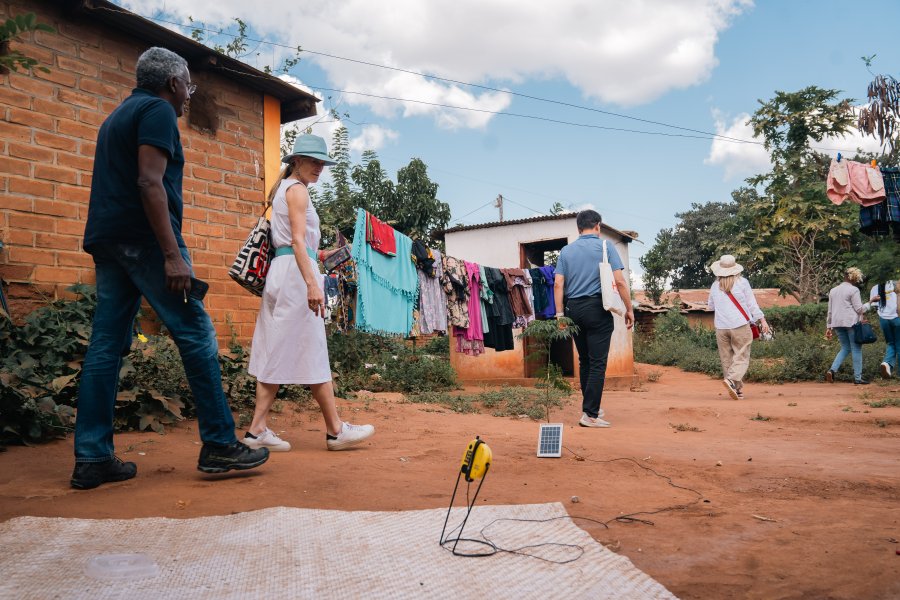
NDF and Acumen's field visits in Malawi brought partners together to exchange insights, strengthen collaboration, and better understand local needs and opportunities. Photo: Acumen
Together we make a difference
Witnessing the impact of NDF’s financing offered many reasons for optimism. Real change is taking place, and the people met during the visit spoke about the opportunities they see for the future. NDF’s strategic partners continue to implement programmes with great dedication, innovation, and a strong commitment to creating lasting impact.
“For me, the visit demonstrated the importance of staying connected to the people that our financing is serving. Our conversations in Malawi and Zambia reinforced that listening to our end users is essential for designing more effective investments. With the right partnerships and catalytic financing, climate solutions can reach the communities that need them most while creating opportunities for sustainable economic development,” says Satu Santala.
Together, Nordic countries are strong partners in supporting climate resilience across Africa. This trip also offered an opportunity to engage with the Embassies of Iceland and Norway in Malawi and exchange views on shared priorities. The Head of Mission for Iceland in Malawi, Dr. Davíð Bjarnason joined the visits to SOFF-supported investment sites, while Ms Anne Sofie Bjelland, Norwegian Ambassador to Malawi, joined the visit to the EEP Africa grantee Green Impact Technologies.